
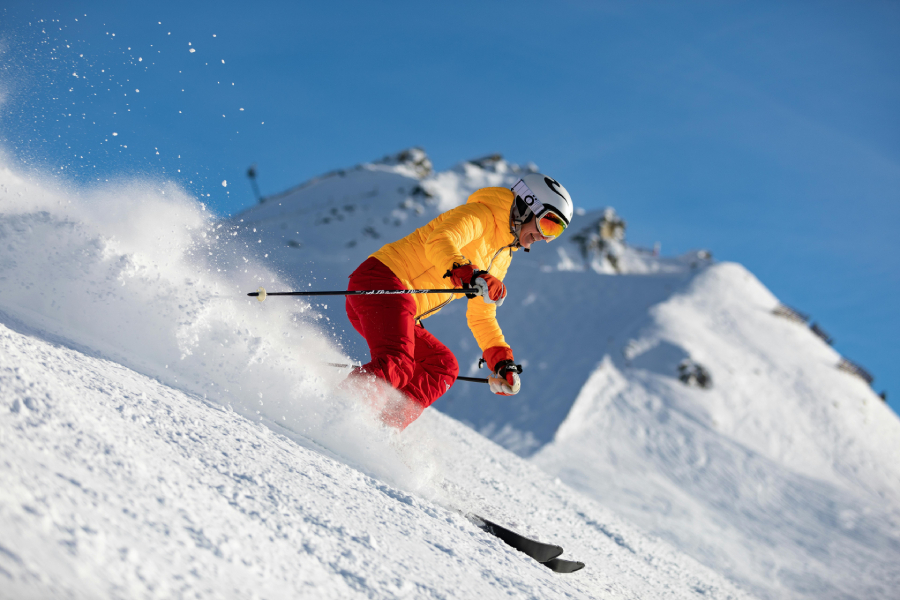
Skiing and snowboarding are exciting winter sports, but they entail risk, especially for the head and spine. Falls and collisions are the main causes of injuries. It is estimated that 1.5 to 6 injuries per 1,000 skiing days. Injuries to the lower and upper extremities are the most common, but head and spine injuries have the most serious consequences. The case of M. Schumacher, who suffered a severe head injury while skiing in December 2013, is very characteristic.

Dr. Stavros Stavropoulos, Neurosurgeon
Registar, Mediterraneo Hospital Neurosurgery Dpt.
Head injuries can initially be underestimated. Moreoften than not, a brain injury develops later in the day or on the next day. The symptoms of a head injury should never be ignored. Even in the case of minimal symptoms and a mild concussion, the discomfort can lead to a second, potentially tragic, accident.
Therefore, if you happen to suffer a head injury, it is best to stay safe and avoid further exposure to unnecessary danger. Spinal cord injuries, on the other hand, may require immediate immobilization and transport to a medical facility following all of the appropriate transport protocols which may include immobilization on a stretcher and a neck collar right from the scene of the accident. Neurological complications that occur later on after an initial injury and are caused by improper handling of the injured person can even lead to paralysis. If you suspect you have a serious spinal cord injury – experiencing excessive pain in the spine or weak/numb legs or arms- remain still or minimize movement and seek medical care immediately.
Completely eliminating the risk of injury is only possible if you stay home. A more realistic approach would be to reduce the risk of injury, and this can be easily achieved by following a few simple tips:
- Wear Protective Gear: Helmets significantly reduce the risk of head injury, without increasing the risk of neck injury.
- Warm up: Stretching before starting a sports activity improves flexibility and reduces muscle strain.
- Check your Equipment: Make sure your skis, bindings, and helmets are in good condition.
- Know your Limits: Stay on a slope that matches your skill level to avoid exhaustion.
- Stay Hydrated: Dehydration can affect concentration and increase fatigue.
- Stay in Shape: Regular neuromuscular training with an emphasis on flexibility and balance helps prevent injuries.
- Take Lessons: Certified instructors do teach proper technique, reducing the possibility of a fall.
- Remember: Alcohol and ice only mix well in a glass, never on the slopes. Never on the slopes
