Panos S. Gartaganis, MD, BSc, PhD
Consultant Ophthalmic Surgeon – Department of Ophthalmology, Mediterraneo Hospital
Modern medicine is characterised by continuous advances in scientific knowledge, increasing subspecialisation, and the development of increasingly sophisticated diagnostic techniques. Nevertheless, one of the most important factors in achieving timely and accurate diagnoses remains effective collaboration between different medical specialties.
A particularly relevant example is the assessment of patients with impaired kidney function, where an ophthalmological examination may provide valuable insights into the patient’s overall systemic health.
Recently, at Mediterraneo Hospital, the Nephrology Team requested an additional ophthalmological assessment as part of the diagnostic investigation of a patient presenting with acute deterioration in renal function.
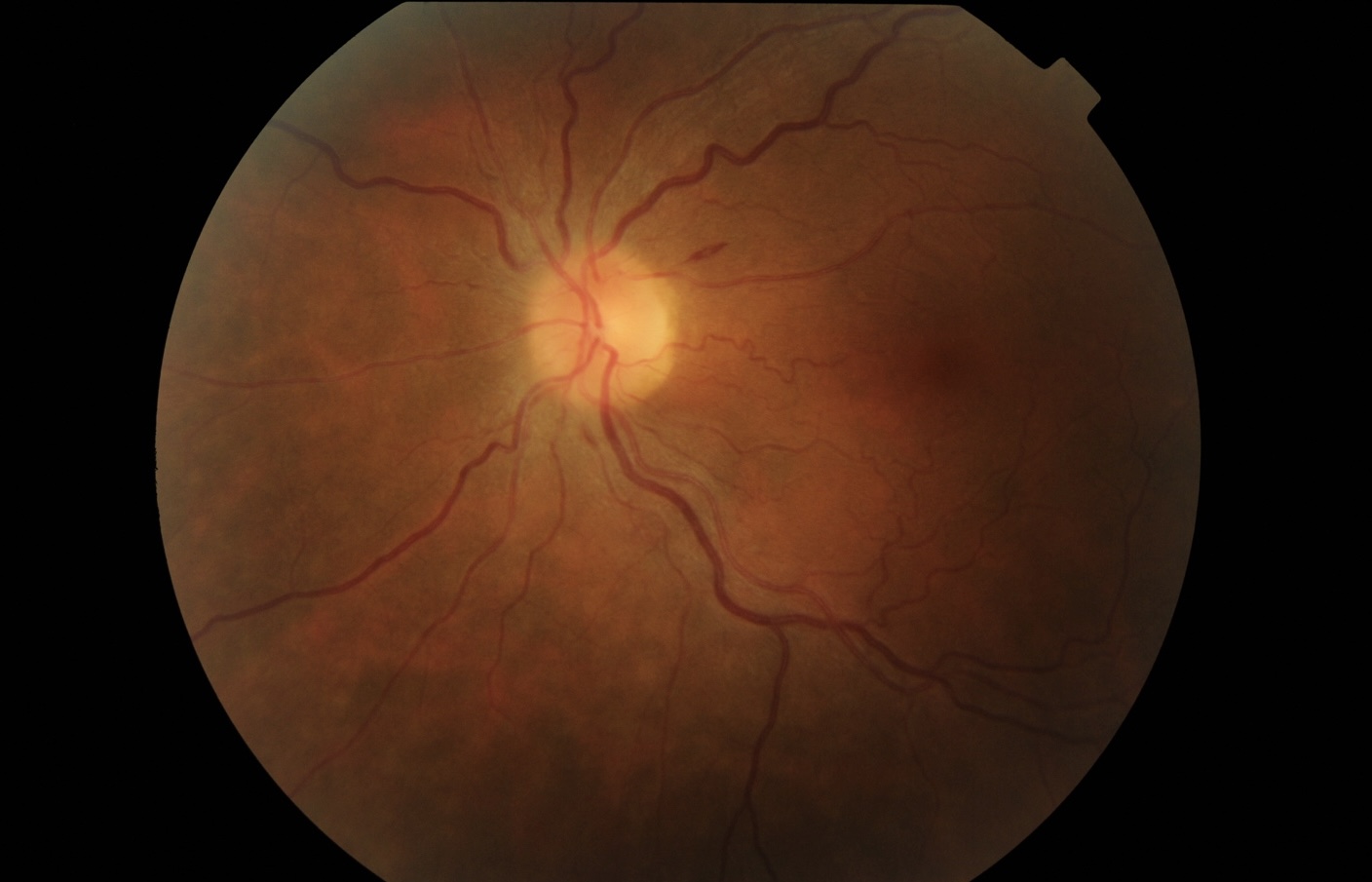
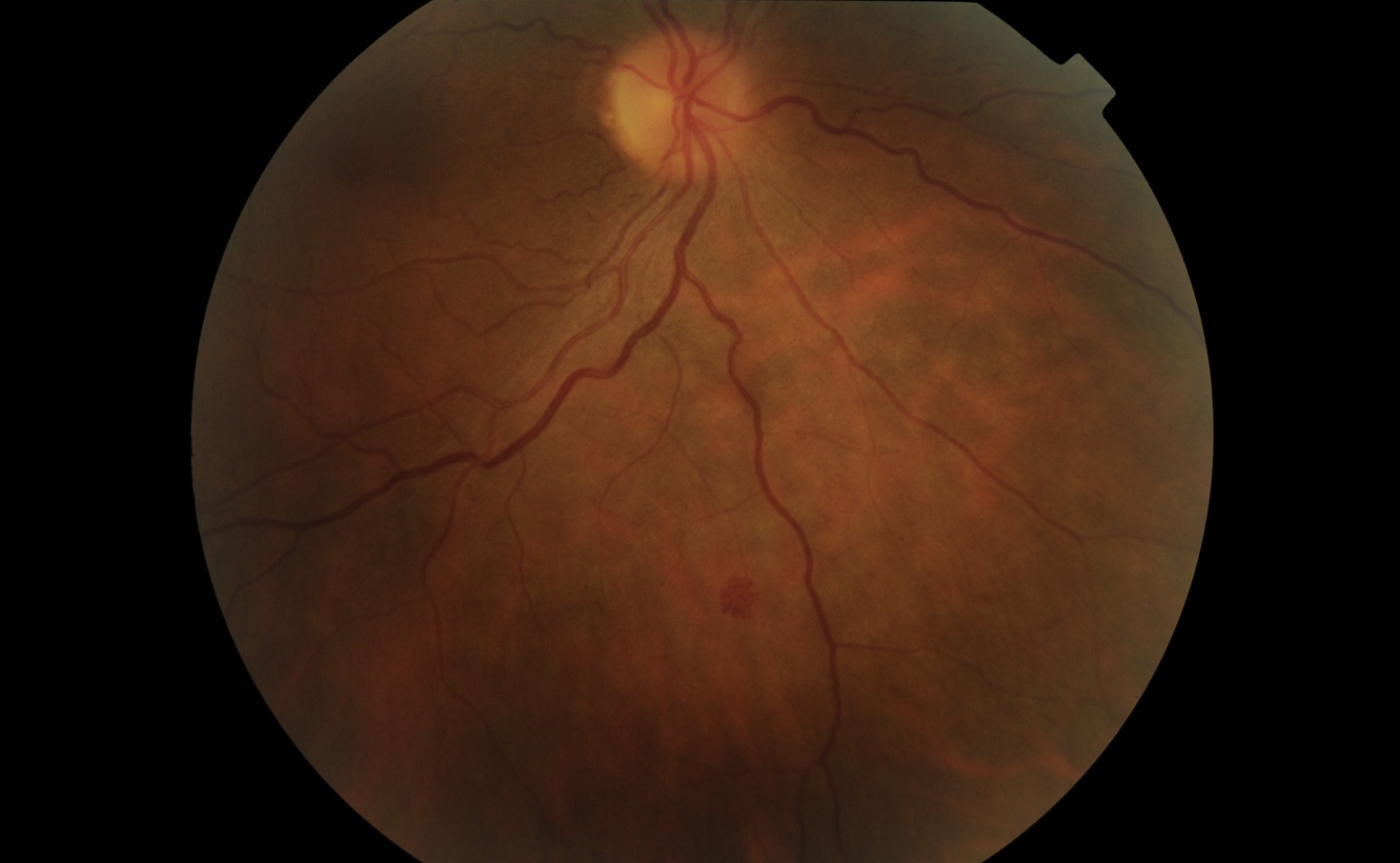
Despite normal visual acuity and the absence of ocular symptoms, fundoscopic examination revealed retinal vascular abnormalities, including small retinal haemorrhages and changes in vascular morphology.
Although these findings are not specific to any single disease, they may be associated with systemic arterial hypertension and disturbances in the microcirculation. Their identification can provide additional clinical information which, when interpreted alongside laboratory investigations and the patient’s overall clinical assessment, may contribute meaningfully to the diagnostic process.
The Retina as a Window into Systemic Health
The retina is one of the few structures in the human body where the microcirculation can be directly visualised using non-invasive examination techniques.
Vascular abnormalities identified during fundoscopic examination may reflect underlying systemic pathological processes, even in patients who maintain excellent visual acuity and report no ophthalmological symptoms.
Consequently, an ophthalmological examination is not always limited to the assessment of visual function. In selected clinical circumstances, it can serve as a valuable complementary diagnostic tool for other medical specialties, including Nephrology, Cardiology, and Internal Medicine.
Multidisciplinary Collaboration as an Essential Component of Modern Medicine
The diagnostic assessment of a patient often requires the integration of information from several areas of medicine. Clinical findings that may have limited diagnostic significance when considered in isolation can become particularly informative when interpreted in the context of the patient’s medical history, laboratory results, and imaging investigations.
Within this framework, a well-organised hospital environment facilitates direct communication and collaboration between different medical specialties, supporting a comprehensive evaluation of even complex clinical cases.
This particular case illustrates how an ophthalmological examination, even in the absence of visual disturbances, can provide useful information during the investigation of a systemic medical condition.
The fundamental value of a multidisciplinary approach lies precisely in this complementary relationship: each specialty contributes its own expertise and clinical perspective, helping to establish a more complete understanding of the patient’s condition.
Timely information sharing and effective communication between treating physicians are not merely elements of good clinical practice. They are essential prerequisites for delivering evidence-based, comprehensive, and genuinely patient-centred medical care.